Table of Contents
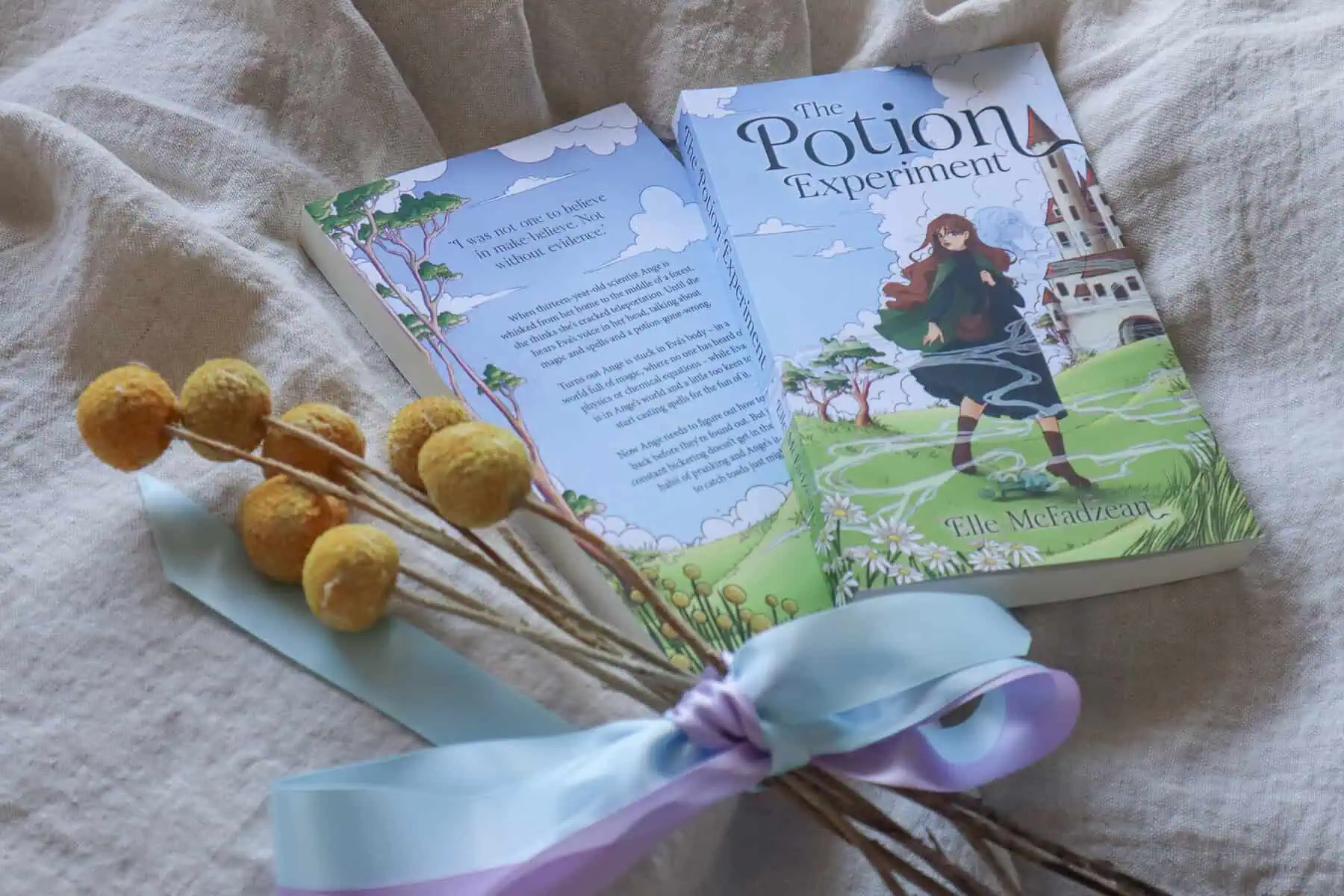
Recently, my debut middle-grade fantasy The Potion Experiment received a Red Ribbon in the Wishing Shelf Book Awards, along with detailed feedback from a panel of young readers. As someone who writes for children, that feedback is every bit as exciting as the award itself. One of the most exciting and rewarding parts of publishing a book is discovering how readers respond to it.
What are the Wishing Shelf Book Awards?
The Wishing Shelf Book Awards are a UK-based, not-for-profit book award program that is unique in one important way: books are judged by readers from the target age group (alongside adult readers where appropriate).
Rather than simply announcing winners, the awards provide authors with detailed feedback, ratings and reader comments. For children’s and middle-grade books, such as The Potion Experiment, this means hearing directly from the audience the story was written for.
A Red Ribbon award for The Potion Experiment
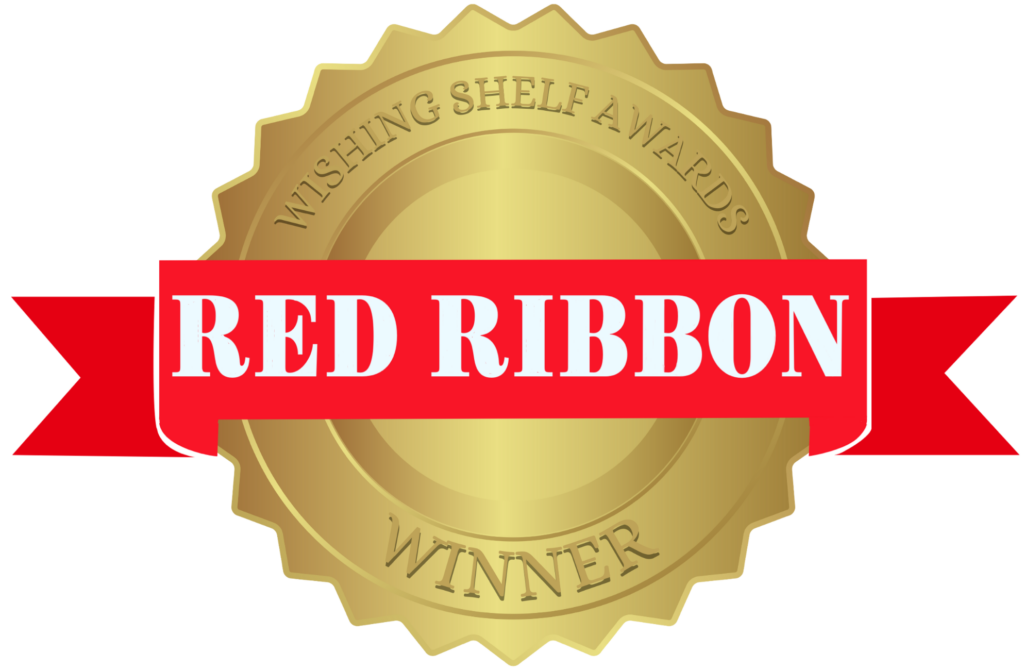
The judges awarded The Potion Experiment a Red Ribbon, which is given to books that are enjoyed by readers and recommended by the judging panel.
The book received:
- 4-star rating
- 8/10 for editing
- 7/10 for writing style
- 7/10 for content
- 15 out of 15 readers said it was easy to follow
- 12 readers felt the pacing was good or excellent
- 10 readers said they would read another book by the author
- 10 readers would recommend the book to others
One statistic I particularly loved was that readers were split on what they considered the book’s strongest feature. Some chose plot, while others chose character development. I love hearing this because both were important to me while writing the story.
What readers enjoyed in my middle-grade fantasy
The feedback highlighted many things I’d hoped readers would connect with. Several mentioned the unusual combination of science and magic. One twelve-year-old reader described it as “a very clever mix”, while another enjoyed the central idea of two very different characters sharing the same body. That premise was where the story began for me: a scientist and a witch accidentally swapping bodies and being forced to work together despite seeing the world in completely different ways.
The readers also responded positively to Ange and Eva’s relationship, their dialogue (which I was thrilled to hear, since I had a lot of fun writing it), and the way the two girls learn from each other over the course of the adventure.
Perhaps my favourite comment was this one:
“Two very different characters inhabiting the same body. I think that’s so clever. It’s amazing how authors think of stuff like that.”
The value of honest feedback
One thing I appreciate about the Wishing Shelf Book Awards is that they provide constructive feedback. The comments weren’t universally glowing, and that’s a very useful thing for authors. A few readers felt parts of the story moved more slowly than others, while others connected more strongly with Ange than Eva. That’s the kind of insight I love to know about, because you can’t predict this with 100% certainty while writing.
A story that continues to surprise me
When I first started writing The Potion Experiment, I simply wanted to tell a fun adventure about science, magic, friendship and finding common ground with people who see the world differently.
Since publication, the book has travelled far beyond my desk – including to judging panels in both the United Kingdom and the United States. Receiving a Red Ribbon from the Wishing Shelf Book Awards is another wonderful event in that journey, and I’m grateful to every reader who picked up the book and shared their thoughts.
The judges summed up the novel as:
“A smartly plotted, magical drama with a highly original premise. A RED RIBBON WINNER and highly recommended!”
I’ll very happily take that!