Table of Contents
Writers often imagine their author inbox filling up with fan emails. Heartfelt notes from readers. Invitations from schools. Perhaps, if we’re feeling particularly optimistic, an email from Hollywood about adaptation rights.
The reality is rather different.
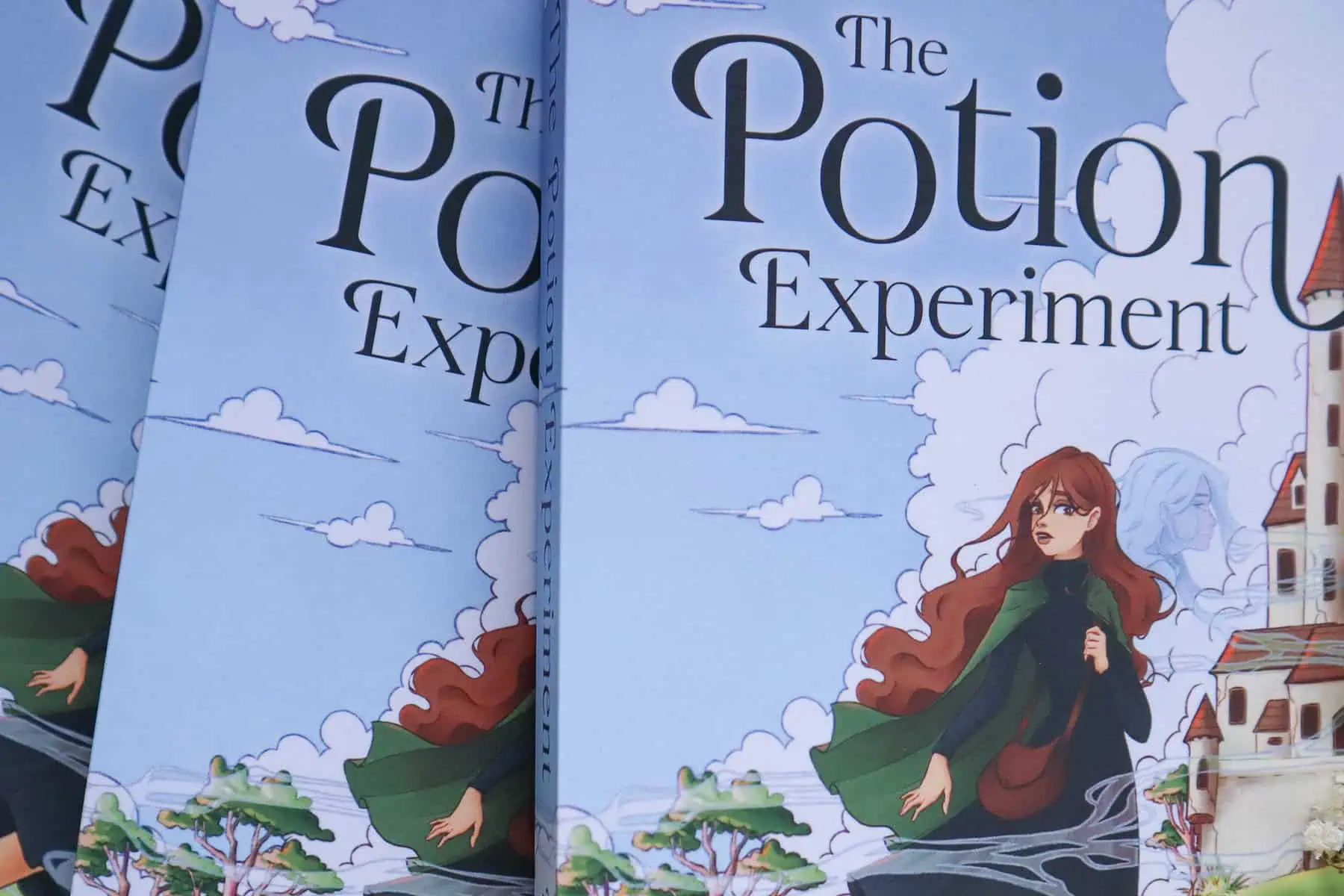
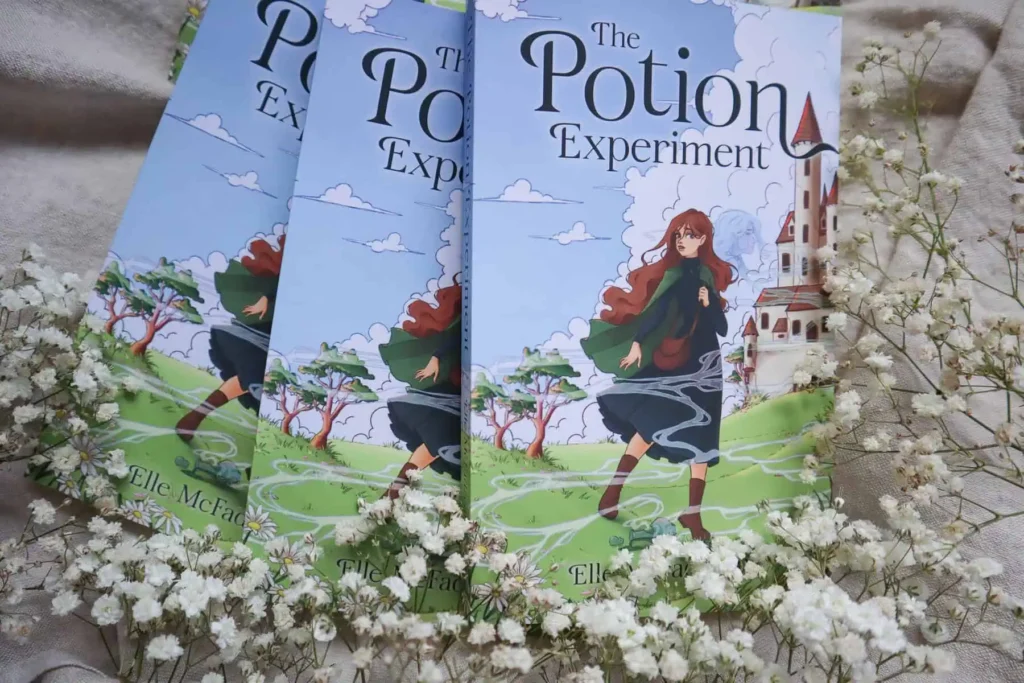
Mine is mostly full of people who believe The Potion Experiment is called The Portion Experiment. Portion. As in food?
Publishing a book, it turns out, marks you as a beacon for the world’s most enthusiastic scammers. My author inbox has become a collection of unhinged flattery, creative typos, and marketing pitches written by people who definitely did not make it past the blurb.
Author inbox exhibit
Exhibit A: The enthusiastic “reader”
“Hi Elle, I just finished The Potion Experiment and had to reach out – I absolutely loved it!”
Encouraging. Until they continue:
“Ange’s growth was inspiring, and Eva’s world so imaginative.”
That’s all from the blurb. They haven’t read the book. They’ve read about the book – likely while sending the same email to dozens of other authors, swapping out names.
These emails usually end with a gentle hook:
“If you’re ever doing book clubs or calls, I’d love to join.”
A generous offer, Elizabeth. One that tends to be followed shortly by an invitation to join an “exclusive author visibility program” for $350. It’s the classic flatter first, invoice later model.
This is the friendliest tier of marketing scam. They rely on praise so effusive it might briefly override your better judgement. The promise is readers, reviews and reach. The result is usually none of the above, except perhaps a lighter bank account.
Exhibit B: The existential threat
Then there’s the more aggressive approach.
“If you want to be a failure, I respect that.”
That is a real quote.
These emails trade flattery for fear. They know the quiet panic most authors feel about obscurity. They know how often you’ve checked your rankings. They understand how fragile post-launch confidence can be.
The danger here isn’t persuasion – it’s response. Replying, even once, confirms that your email address is active. From there, the floodgates open. Your author inbox becomes an all-you-can-eat buffet for spambots. It’s like inviting a vampire inside, only instead of blood, they take your time.
Exhibit C: The cross-promotional philosopher
“Books don’t die because they’re bad. They die because no one talks about them. And silence is the cruelest review of all.”
Marketing email? Poem? Villain monologue?
This came from someone offering “review-building services,” presented with the gravitas of a literary philosopher who has gazed into the Amazon algorithm and returned with quotes.
These emails are emotional manipulation disguised as inspiration. They tell you your book deserves to be seen, as though invisibility were a moral failing rather than a structural reality. Then, once you’re nodding along, they introduce the solution: paid packages of “genuine reader reviews.”
Except no genuine review has ever been bought.
Exhibit D: The identity crisis
Some scammers are simply confused.
I’ve been called Ella, Ellen, and once – memorably – Eliot. One email began:
“Hi Great Author.”
Bold. Mysterious. Slightly biblical.
Another informed me I’d been selected for The Potion Experience. I hadn’t realised my book had been adapted into an immersive attraction, but I suppose anything is possible.
One attempted to quote my blurb, but their email was only one line:
“Now Ange needs to figure out how to swap back before they’re found out.”
Intriguing. Vague. Suspiciously copy-pasted.
If they can’t spell The Potion Experiment, I’m reluctant to trust them with my author brand.
Exhibit E: The chaos enthusiast
Occasionally, an email crosses the line from spam into comedy.
“Are you secretly running NASA’s Hogwarts program?”
If that isn’t a scam, it’s the most interesting job offer I’ve received.
Another described my book as:
“The funniest accidental TED Talk ever for 8–12-year-olds.”
Admittedly, I briefly considered printing this on a T-shirt.
These messages are almost endearing in their absurdity. Somewhere, a marketer believes they’re closing a deal. In reality, they’re donating material to a growing archive of author inbox comedy.
Lessons from my author inbox
After a few months of watching this unfold, I’ve learned three things about the strange spam living inside every author’s inbox.
- Flattery pays – for them.
Most of these scammers are copy-and-paste marketers. They mass-email hundreds of indie authors, knowing even one or two responses can make their day profitable. - Fear sells.
The “your book will fail without me” messages are designed to exploit new authors’ insecurities. Fear of invisibility is their business model. - Their graphics are the same.
Once you’ve seen one “Book Promotion Package” graphic, you’ve seen them all – same stock photos, same calligraphy signature, same logos. I’ve had offers from Bookknocks, Bookbrezza, and The Book Boost Architect. Different names, identical designs. It’s like they all share a template.
Appreciating the funny side
These emails have given me a glimpse into the chaos of the modern internet. They’re absurd, occasionally poetic, and unintentionally hilarious. For all the absurdity, they’ve forced me to develop a new skill: spam forensics. I can now spot a fake faster than Eva can mix a potion.
They’ve also taught me patience – and to double-check that no legitimate opportunities end up in the same spam folder as Bookknocks, Bookbrezza, or The Book Boost Architect.
Final advice for fellow authors
If you’re a new writer and one of these lands in your inbox:
- Don’t reply.
- Don’t click.
- Don’t send money.
- You may, however, laugh.
And if you’re really not sure about an email, I recommend checking out Writer Beware before replying.
Publishing is a lot of work – but at least it comes with enough dramatic subject lines, misspelled titles, and overblown praise to last a lifetime.
Somewhere out there right now, another spammer is typing, “Dear Ella McFadezen, I loved The Portion Experience.” And honestly? I can’t wait to read it.